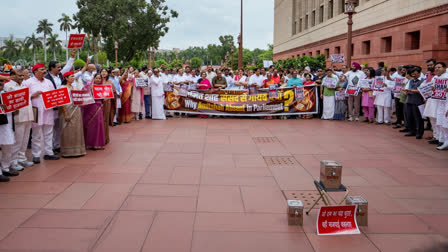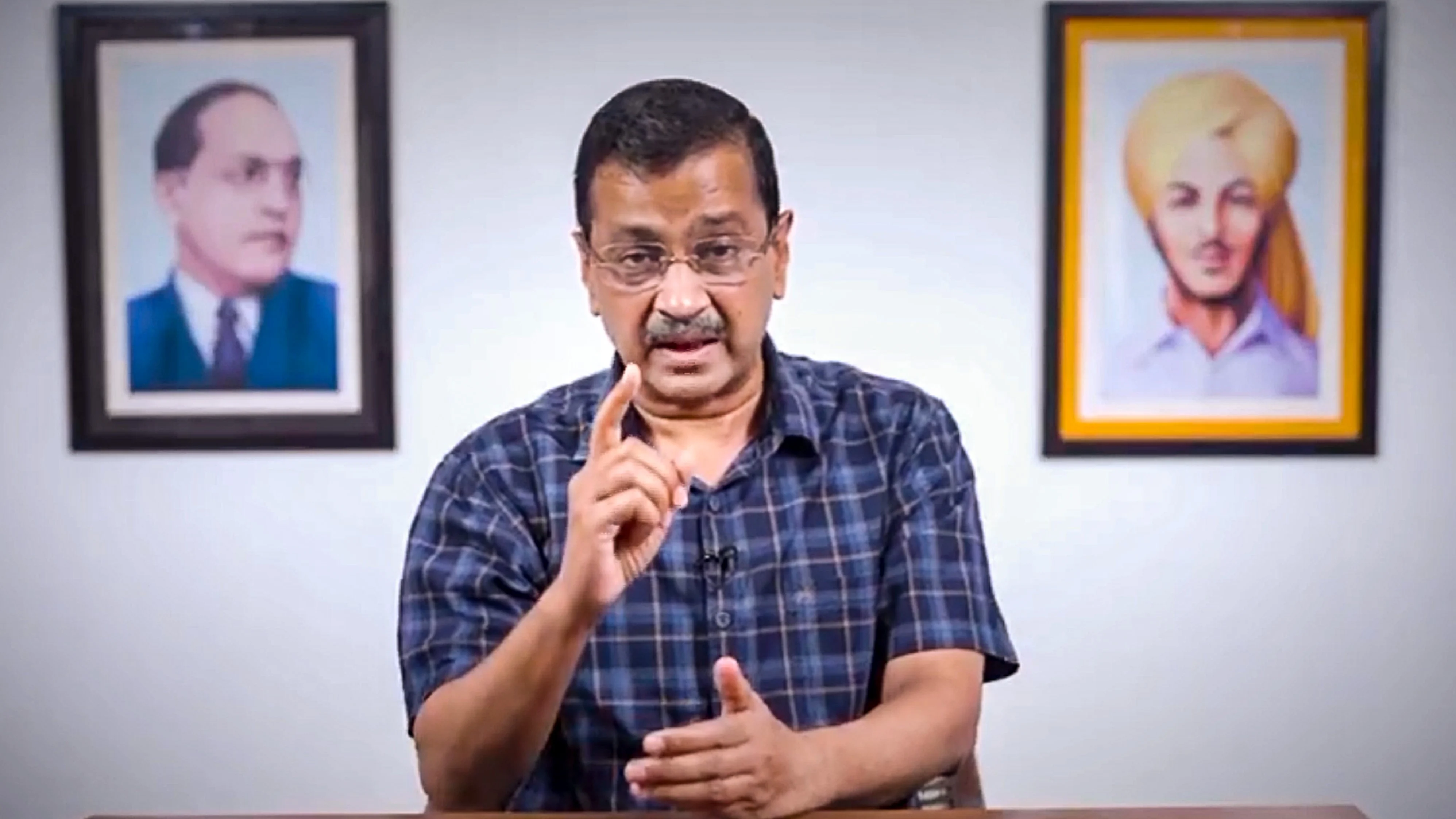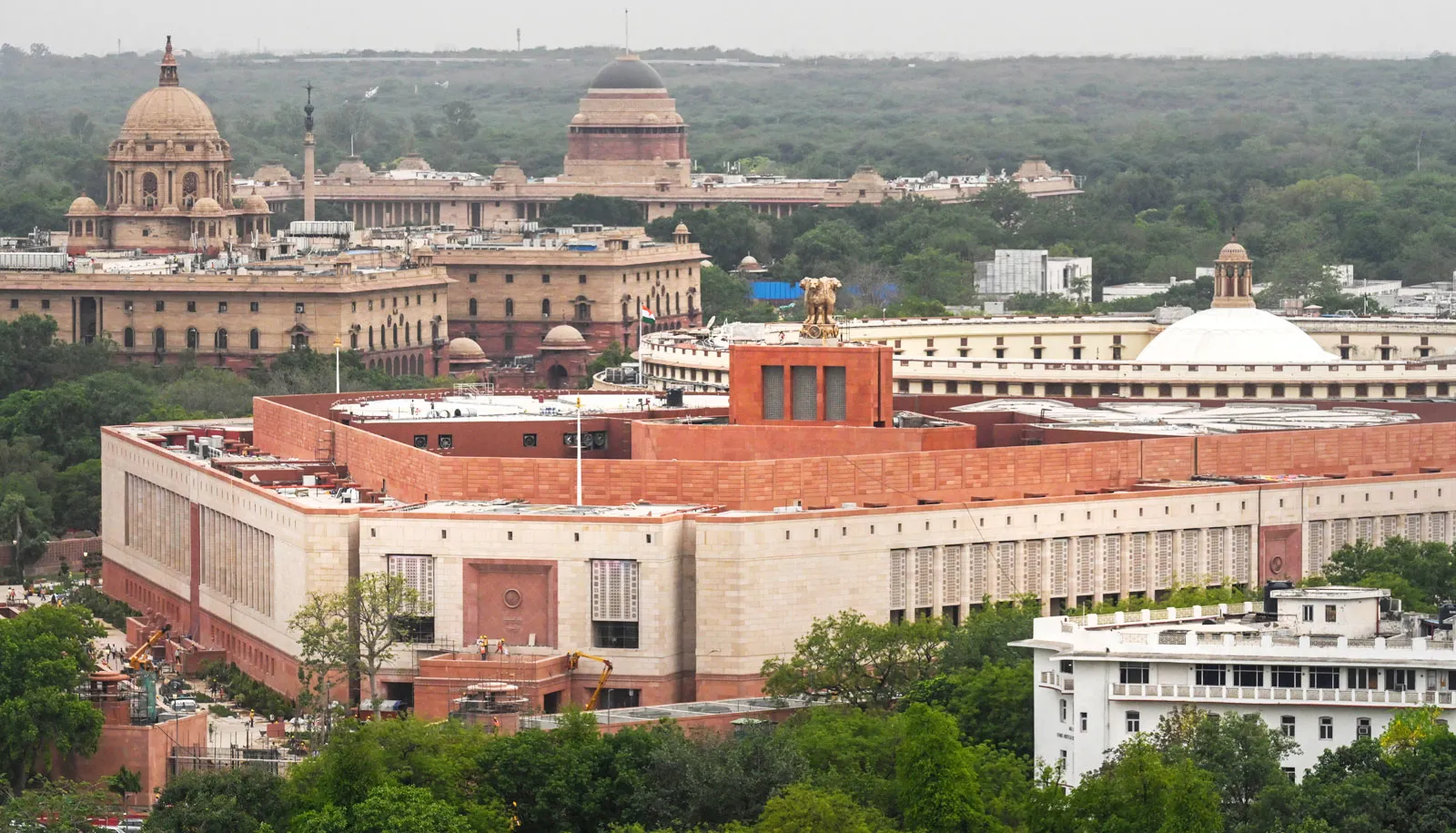
Barely days after the Cockroach Janta Party's protest campaign culminated in Dharmendra Pradhan's resignation as Education Minister, a separate youth-led movement branding itself "Reservation Hatao" (loosely, "scrap reservation") has started picking up momentum across Instagram and X. Accounts and pages using names like Reservation Hatao Andolan have been posting reels and messages under slogans such as "Reservation hatao, desh bachao" ("scrap reservation, save the country"), and some of this content has been circulating widely enough to draw commentary from other political and community-linked accounts online.
The emerging movement appears to be organizing primarily through short-form video and social posts rather than through a formal registered organization, and its core grievance centers on India's long-standing caste-based reservation system, which reserves a share of government jobs and seats in publicly funded educational institutions for Scheduled Castes, Scheduled Tribes, Other Backward Classes, and, more recently, economically weaker sections. Supporters of the online push argue that the system, as currently structured, disadvantages meritorious candidates and should be reformed or phased out.
This is not a new debate — India has seen recurring anti-reservation agitations over the decades, including the Patidar quota stir in Gujarat and long-running Jat and Maratha reservation movements, several of which triggered significant unrest. What is notable this time is the timing: the movement's visibility has grown directly out of the same student-and-youth energy that powered the CJP's protests, suggesting a possible broadening of youth political mobilization beyond the original NEET paper-leak issue.
At the same time, reservation policy remains one of India's most contested political and constitutional questions, with supporters of the existing system arguing that caste-based quotas remain necessary to address historical and continuing social discrimination and unequal access to education and employment, and that reservation percentages are themselves the outcome of extensive constitutional and judicial deliberation. Critics, meanwhile, argue for reform based on economic criteria rather than caste. Given the sensitivity of the topic and its history of triggering large-scale unrest, how this online movement evolves — and whether it develops offline organizational structure — is likely to be closely watched in the coming weeks.